
 By admin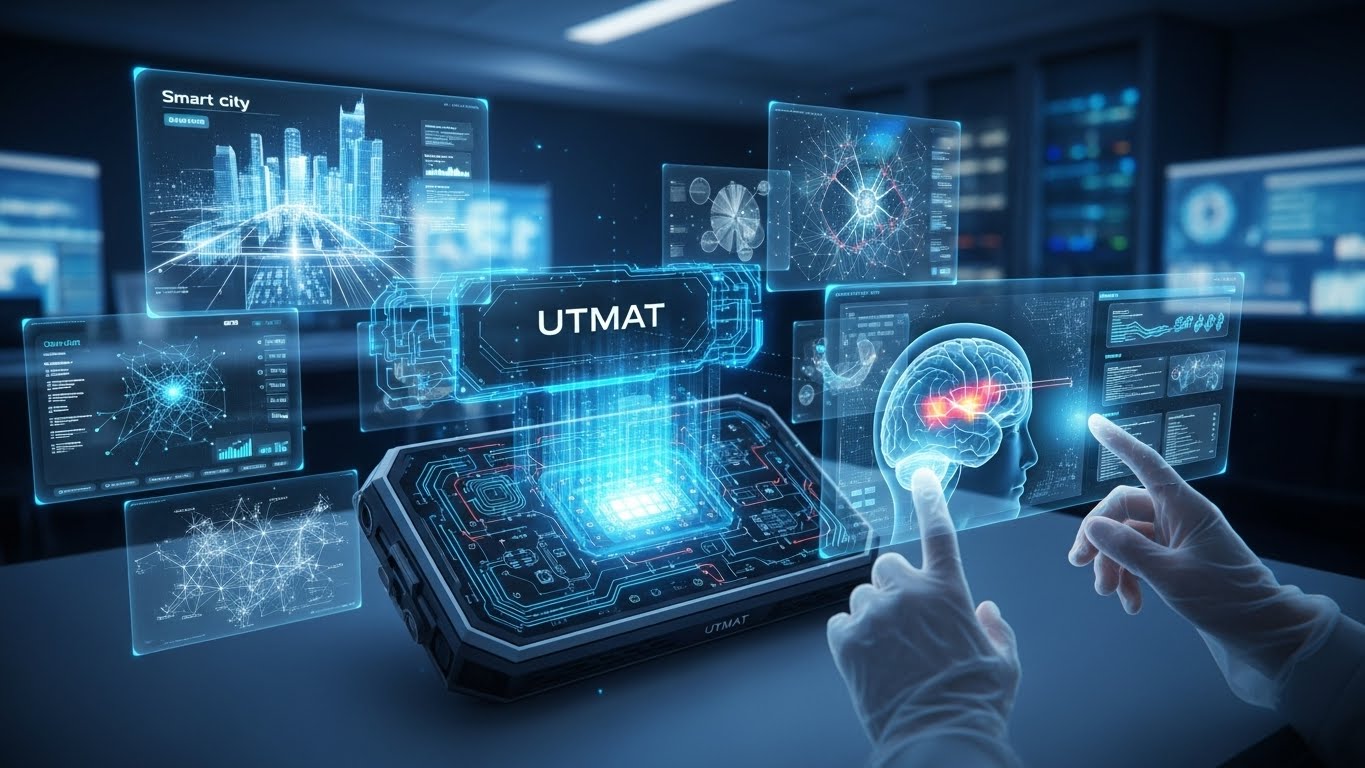
The world of technology is evolving at a breakneck pace, and one innovation that’s capturing the spotlight is UTMAT. This groundbreaking tool promises to reshape various industries by streamlining processes and enhancing efficiency. But what exactly is UTMAT, and how does it work? As we delve deeper into its history, applications, and future possibilities, you’ll discover why this technology could be a game-changer for businesses everywhere. Join us as we unlock the potential of UTMAT and explore its impact on our lives moving forward.
Understanding UTMAT: What is it and How Does it Work?
UTMAT stands for Universal Tracking and Management Automation Technology. It’s designed to streamline data collection and enhance project management across various sectors.
At its core, UT-MAT integrates advanced algorithms with real-time tracking capabilities. This allows organizations to monitor assets, workflows, and resources efficiently.
Imagine a system that not only tracks inventory levels but also predicts when stock will run low based on historical trends. That’s the power of UT-MAT in action.
The technology operates through a combination of sensors, cloud computing, and user-friendly interfaces. Users can access vital information from any device with an internet connection.
By automating routine tasks and centralizing data management, UT-MAT reduces human error while increasing productivity. Its adaptability makes it suitable for industries ranging from manufacturing to healthcare.
The History of UTMAT: From Inception to Modern Day
UTMAT, a groundbreaking technology, emerged from the need for better data management in various sectors. Its inception can be traced back to early digital solutions that aimed to streamline processes. Innovators recognized the potential of unifying disparate systems.
As advancements in computing power grew, so did UT-MAT’s capabilities. The integration of machine learning algorithms allowed for more sophisticated analysis and insights. By harnessing vast amounts of data, organizations began to see improved efficiencies.
Over time, UT-MAT evolved alongside technological trends like cloud computing and big data analytics. This evolution enabled it to adapt to diverse industry needs—from healthcare diagnostics to supply chain optimization.
Recently, UTMAT has gained attention due to its role in enhancing decision-making processes across businesses worldwide. As industries continue embracing digital transformation, this technology stands at the forefront of innovation and efficiency.
Applications of UTMAT in Various Industries
UTMAT technology is making waves across diverse sectors. In agriculture, it streamlines crop monitoring and enhances yield prediction through advanced data analytics.
The healthcare industry benefits too. UTMAT optimizes patient management systems, ensuring timely care and efficient resource allocation.
Manufacturing harnesses UTMAT for real-time tracking of machinery performance. This improves operational efficiency while reducing downtime and maintenance costs.
Retailers have also embraced UTMAT to refine inventory management. With accurate demand forecasting, they minimize stockouts and excess inventory.
In the transportation sector, UT-MAT supports logistics by offering precise route optimization. This leads to reduced fuel consumption and faster delivery times.
Even in finance, organizations leverage UTMAT for risk assessment models that enhance decision-making processes.
These varied applications showcase how essential UTMAT is in driving innovation across multiple fields.
Advantages and Challenges of Using UTMAT
UTMAT offers numerous advantages that can transform business operations. One key benefit is enhanced data accuracy. By automating processes, UTMAT reduces human error and ensures reliable outcomes.
Increased efficiency follows closely behind. Tasks that once took hours can now be completed in minutes, freeing up valuable time for teams to focus on more strategic initiatives.
However, challenges accompany these benefits. The initial setup of UT-MAT technology can be complex and costly. Organizations may face difficulties during integration with existing systems.
Additionally, there’s a learning curve involved for employees who need training to adapt to the new technology effectively. Resistance to change might also hinder smooth adoption across departments.
Balancing these advantages and challenges requires careful planning and consideration from businesses looking to implement UT-MAT solutions successfully.
Future Possibilities and Development of UTMAT Technology
The future of UTMAT technology is brimming with potential. As advancements in artificial intelligence and machine learning progress, UTMAT systems will become more intelligent and adaptable.
Imagine a world where UTMAT can anticipate user needs. This level of customization could revolutionize industries ranging from logistics to healthcare. Real-time data integration may soon allow for instant decision-making processes that enhance efficiency.
Additionally, as connectivity improves through 5G networks, the speed at which UTMAT operates will also increase. This promises seamless communication between devices and platforms, fostering greater collaboration among teams worldwide.
Sustainability is another focal point for upcoming developments in UTMAT technology. Innovations aimed at reducing energy consumption while maximizing performance are on the horizon.
As researchers explore new algorithms and frameworks, unexpected applications may emerge. The possibilities seem endless as we push boundaries in this captivating field.
Real-Life Examples of Successful UTMAT Implementation
In the transportation sector, a logistics company adopted UT-MAT to optimize its supply chain. They automated route planning and inventory management, significantly reducing delivery times while cutting costs.
Healthcare facilities have also embraced UT-MAT technology. A hospital utilized it for patient data tracking, enhancing communication between departments. This streamlined workflow led to faster decision-making and improved patient outcomes.
Another striking example is in agriculture. Farmers are now using UTMAT tools for crop monitoring. By analyzing soil conditions and weather patterns, they can make informed decisions about planting and harvesting schedules.
Retailers leveraging UTMAT have reported increased customer satisfaction through personalized shopping experiences. By analyzing consumer behavior in real-time, they provide tailored recommendations that drive sales and loyalty.
These examples illustrate how diverse industries harness the power of UTMAT to enhance efficiency and innovation across their operations.
Conclusion: The Impact of UTMAT on the Future
The impact of UTMAT on the future is undeniably significant. As industries continue to evolve, the integration of UTMAT technology opens doors to new possibilities. From streamlining operations in manufacturing to enhancing customer experiences in retail, its applications are vast and varied.
Businesses that adopt UTMAT stand to gain a competitive edge. They can leverage data-driven insights for better decision-making and efficiency. However, as with any transformative technology, challenges such as implementation costs and training require attention.
Looking ahead, we can expect ongoing advancements in UT-MAT technology. Innovations will likely address existing limitations while unlocking even more use cases across diverse sectors. The potential for growth is immense.
As organizations embrace this shift towards intelligent systems, their success will depend on how well they navigate the complexities of UT-MAT adoption. Those who harness its capabilities effectively may shape not only their own futures but also influence whole industries moving forward.
As we explore what lies ahead with UT-MAT at the forefront of technological advancement, it’s clear that its role will be crucial in driving progress across multiple domains.