
 By admin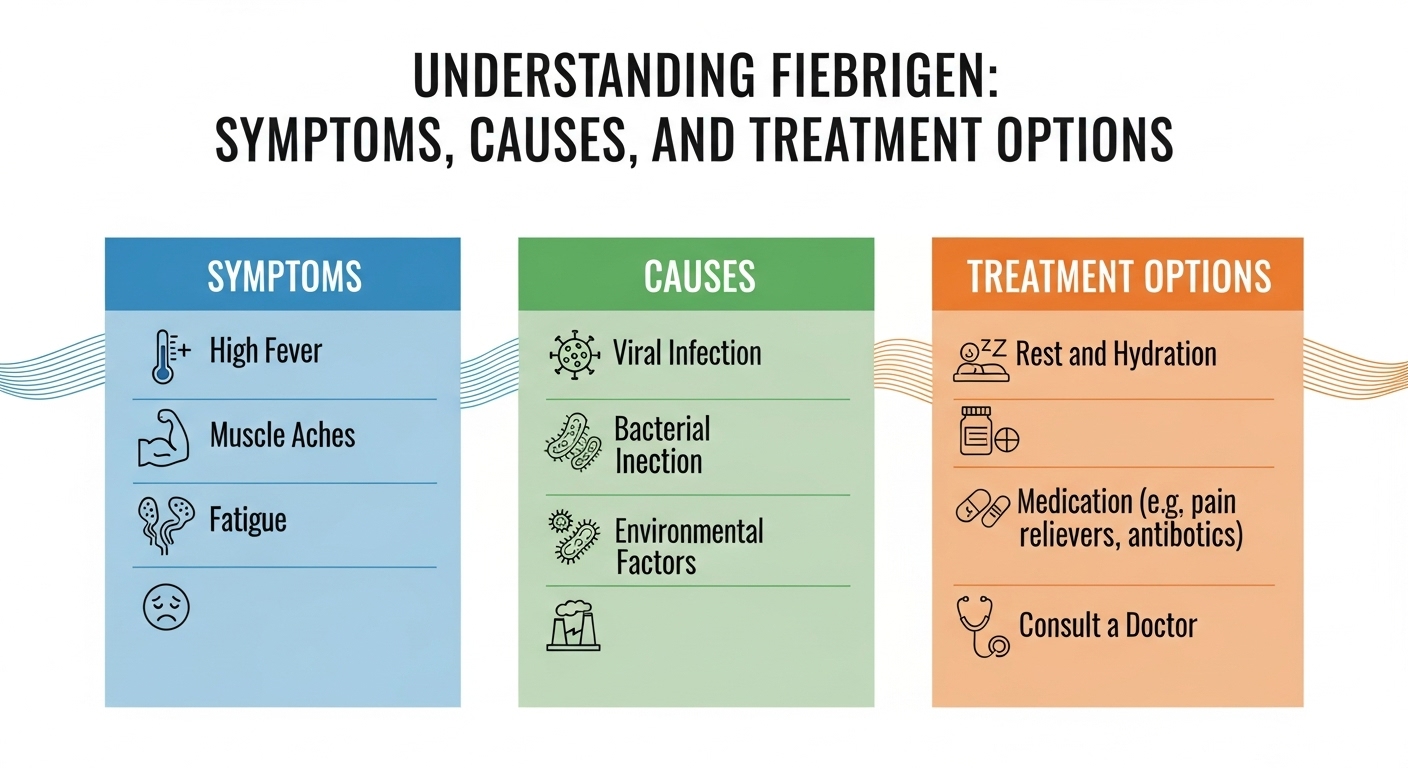
Fiebrigen may not be a term you encounter every day, but it’s one that can significantly impact your health. This condition often leads to discomfort and distress for those affected. Understanding Fiebrigen is essential if you’re experiencing its symptoms or know someone who is.
Whether you’re looking for clarity on what causes this ailment or searching for treatment options, you’ve come to the right place. Join us as we delve into the world of Fiebrigen, uncovering its symptoms, potential causes, and effective management strategies. Your journey towards understanding starts here!
What is Fiebrigen?
Fiebrigen is a health condition characterized by persistent fever. It often manifests as an elevated body temperature that lingers longer than typical infections would cause.
Unlike common fevers, which usually resolve within a few days, Fiebrigen can indicate underlying issues in the body. This prolonged state of elevated temperature may be accompanied by various symptoms that affect overall well-being.
Individuals experiencing Fiebrigen might feel fatigued and weak due to the body’s ongoing battle against whatever is causing the inflammation or infection. Understanding this condition requires awareness of its implications for your health.
While it’s important to identify the root causes, recognizing what Fiebrigen entails can help individuals seek timely medical advice and improve their quality of life during episodes. Awareness plays a crucial role in addressing health concerns effectively.
Common Symptoms of Fiebrigen
Fiebrigen can manifest through various symptoms that may vary from person to person. One of the most common signs includes persistent fever, often accompanied by chills. This fluctuation in body temperature can be unsettling.
Fatigue is another prevalent symptom. Many who experience Fiebrigen report feeling unusually tired, even after a full night’s rest. This exhaustion can significantly impact daily activities.
Additionally, headaches and muscle aches frequently occur alongside other symptoms. These discomforts can range from mild to severe, making it challenging for individuals to focus or maintain their usual routines.
Some people may also encounter gastrointestinal issues like nausea or diarrhea. These symptoms further contribute to overall feelings of malaise and discomfort associated with Fiebrigen.
Recognizing these signs early on is vital for effective management and treatment options.
Causes of Fiebrigen
Fiebrigen can arise from various underlying factors. One primary cause is infections, which may range from viral to bacterial sources. These pathogens trigger the body’s immune response, often resulting in fever and discomfort.
Another significant contributor is inflammation. Conditions like autoimmune diseases can lead to chronic inflammation, manifesting as Fiebrigen symptoms over time.
Environmental triggers also play a role. Allergens or toxins present in your surroundings might provoke reactions that contribute to this condition.
Additionally, stress cannot be overlooked. Emotional and mental pressures can exacerbate physical symptoms associated with Fiebrigen, creating a vicious cycle of discomfort.
Lifestyle choices such as poor diet and lack of exercise further complicate matters by weakening the immune system. Understanding these causes helps pave the way for effective management strategies tailored to individual needs.
Diagnosing and Treating Fiebrigen
Diagnosing Fiebrigen typically involves a comprehensive medical evaluation. Healthcare professionals start with a detailed patient history and physical examination. They may ask about symptoms, duration, and any potential triggers.
Blood tests play a crucial role in diagnosis. These tests can help identify underlying infections or autoimmune disorders that might be contributing to the fever-like symptoms.
Once diagnosed, treatment options vary based on the root cause. If an infection is present, antibiotics or antiviral medications may be necessary. For non-infectious causes, managing inflammation through anti-inflammatory drugs could provide relief.
Lifestyle changes are also essential during treatment. Staying hydrated and maintaining proper nutrition supports recovery while easing discomfort associated with Fiebrigen symptoms. Regular follow-up appointments ensure that the chosen treatment remains effective over time.
Home Remedies for Managing Fiebrigen
Managing Fiebrigen at home can be both effective and simple. Staying hydrated is crucial, so drink plenty of water or herbal teas. This helps regulate body temperature and supports overall health.
Warm compresses on affected areas may provide relief. They promote blood flow and reduce discomfort associated with inflammation.
Incorporating anti-inflammatory foods into your diet can also help. Foods like turmeric, ginger, and leafy greens support the body’s healing process.
Rest is vital too; allow your body to recuperate fully. Create a cozy environment that encourages relaxation and sleep for better recovery.
Aromatherapy using essential oils such as eucalyptus or lavender might ease symptoms as well. These scents can soothe stress while promoting a sense of calm during challenging moments.
Consider gentle exercises like yoga or stretching to improve circulation without overexerting yourself. Simple movements can enhance comfort levels when dealing with Fiebrigen.
Coping with Chronic Fiebrigen
Living with chronic Fiebrigen can be challenging. It often requires a multi-faceted approach to manage symptoms effectively.
Establishing a daily routine may help provide stability. Regular sleep patterns and balanced meals can significantly impact how you feel. Incorporating relaxation techniques, such as meditation or gentle yoga, might also alleviate some discomfort.
Support from family and friends is invaluable. Sharing your experiences allows others to understand what you’re going through. Connecting with support groups can offer additional encouragement.
Don’t hesitate to communicate openly with healthcare providers about your condition. They can suggest tailored treatment plans that fit your lifestyle better.
Journaling symptoms and triggers could reveal helpful insights over time. This practice not only tracks progress but also empowers you in managing the condition actively.
Finding enjoyable activities that keep your mind engaged will uplift your spirits during tough times, making each day more manageable without overshadowing the challenges of Fiebrigen.
Conclusion
Fiebrigen can be a challenging condition that affects many aspects of daily life. Understanding its symptoms, causes, and treatment options is essential for effective management. By being aware of common signs and seeking timely medical advice, individuals can take proactive steps towards better health.
Exploring various treatment approaches—both conventional and home remedies—can empower patients to find what works best for them. It’s important to remember that coping with chronic Fiebrigen often requires support from healthcare professionals as well as loved ones.
Staying informed about this condition not only aids in personal management but also fosters awareness within the community. Sharing experiences and insights can help others navigate their journeys with Fiebrigen more effectively. Embrace the knowledge gained here to improve your understanding and approach toward managing this complex issue.