
 By admin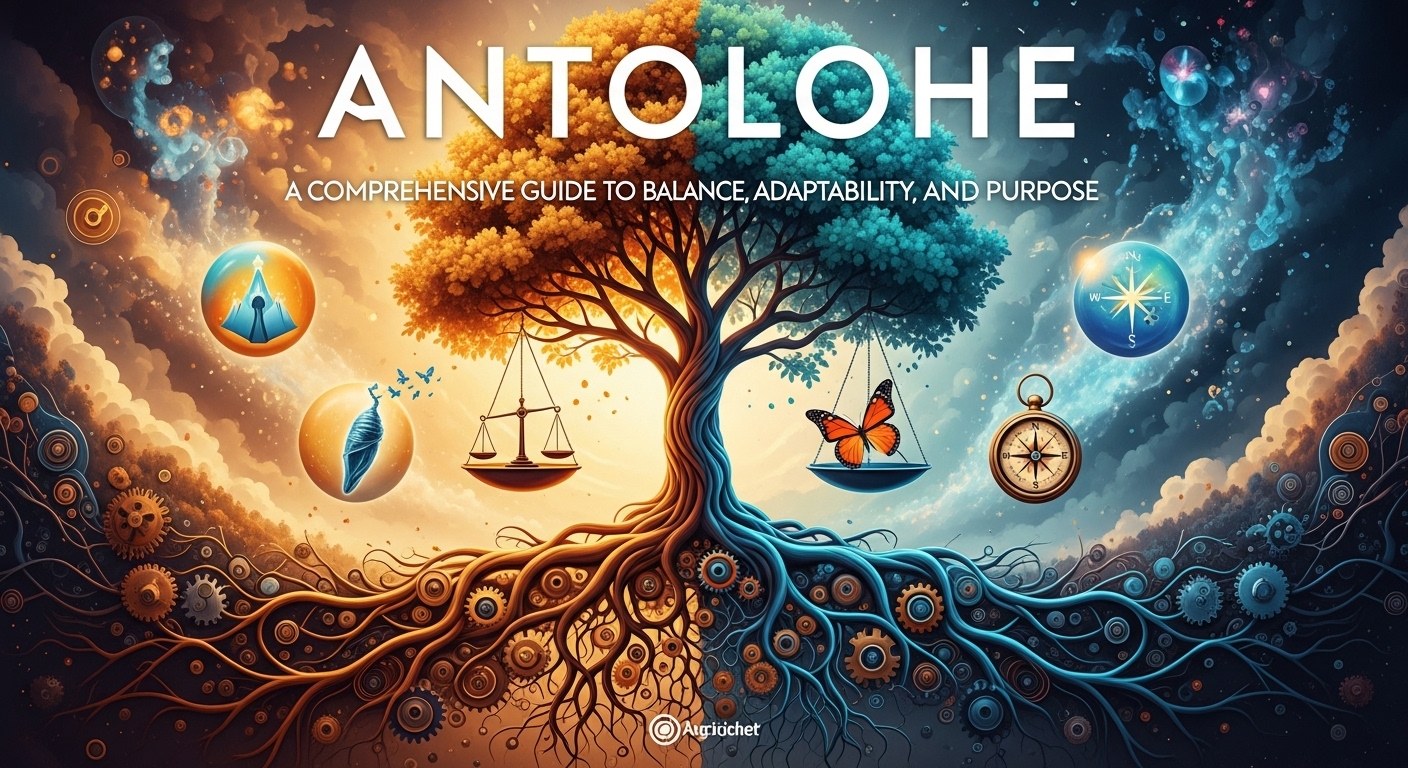
In a world that is constantly evolving, finding the right balance between structure, flexibility, and intentional action is more important than ever. Antolohe is an emerging concept that embodies this very idea—a philosophy, mindset, and approach to life, work, and creativity that helps individuals and organizations thrive amid uncertainty.
Introduction to Antolohe
Antolohe is more than a term—it represents a way of thinking. Imagine walking a tightrope over a shifting landscape: to move forward successfully, you must remain balanced while adjusting to every sway. This balance between stability and adaptability is at the heart of Antolohe.
In today’s fast-paced world, where change is constant and unpredictability is the norm, Antolohe provides a practical framework for navigating challenges, making purposeful decisions, and achieving meaningful outcomes.
Understanding the Concept of Antolohe
Core Meaning
At its essence, Antolohe is about integrating structure with adaptability. It emphasizes taking intentional actions while remaining open to new opportunities, changes, and insights.
Key Principles of Antolohe
-
Balance: Maintain equilibrium between routine and flexibility.
-
Purposeful Action: Every step or decision aligns with long-term goals.
-
Resilience: Ability to recover from setbacks and continue progressing.
-
Continuous Growth: Learn from experiences, feedback, and challenges to improve strategies and systems.
Antolohe is not rigid; it thrives on reflection, learning, and adaptability, making it highly relevant for modern life.
Key Characteristics of Antolohe
1. Flexibility and Adaptability
Antolohe allows you to pivot when circumstances change without losing sight of your core objectives. It encourages adjusting strategies, routines, or workflows as needed.
2. Structured Planning
While flexibility is important, Antolohe emphasizes organized planning to ensure efficiency and coherence in actions.
3. Strategic Decision-Making
Decisions made with Anto lohe in mind consider both short-term outcomes and long-term impact, fostering intentional progress.
4. Sustainable Growth
By blending stability and adaptability, Anto lohe promotes growth that is consistent, resilient, and sustainable over time.
Applications of Antolohe
Personal Growth
Antolohe helps individuals create routines that balance discipline with creativity. For example, structuring your day around priorities while leaving room for learning and reflection embodies Antolohe principles.
Professional Life and Leadership
Organizations and teams can apply Anto lohe to design workflows that are structured yet flexible. It ensures productivity while enabling quick adaptation to market changes, technology updates, or client needs.
Creativity and Innovation
Creative professionals benefit from Anto lohe by balancing deadlines with experimentation. It encourages exploring new ideas without compromising project goals.
Health and Wellness
Anto lohe can also apply to personal well-being. Maintaining a routine while listening to your body, adjusting self-care habits, and responding to stress promotes both physical and mental health.
Benefits of Practicing Antolohe
-
Improved Decision-Making: Thoughtful choices arise from balancing structure with adaptability.
-
Enhanced Resilience: Individuals and teams recover faster from challenges and uncertainty.
-
Increased Productivity: Efficient systems and flexible workflows maximize output.
-
Sustainable Success: Antolohe encourages strategies and habits that endure over time.
-
Creativity and Innovation: Balancing routine with flexibility fosters creative thinking.
Challenges of Implementing Antolohe
Although powerful, practicing Antolohe requires mindfulness:
-
Finding the Right Balance: Too much rigidity stifles creativity, while too much flexibility can lead to chaos.
-
Continuous Evaluation: Regular reflection is necessary to ensure actions align with objectives.
-
Interpretation Variance: Being a conceptual philosophy, its application can differ based on context, requiring clarity.
How to Practice Antolohe Effectively
-
Define Clear Goals: Know what you want to achieve, but remain open to adjustments.
-
Build Flexible Systems: Create workflows, routines, or strategies that are structured yet adaptable.
-
Reflect and Learn: Evaluate outcomes and refine approaches regularly.
-
Turn Challenges into Opportunities: Use setbacks as learning moments to improve processes.
-
Prioritize Well-Being: Balance productivity with mental, emotional, and physical health.
Why Anto lohe is Relevant Today
In a rapidly changing world marked by technological advances, globalization, and uncertainty, Anto lohe provides a framework for navigating complexity. Its principles are valuable for:
-
Professionals managing dynamic projects or teams.
-
Entrepreneurs seeking sustainable growth strategies.
-
Creative individuals balancing innovation and deadlines.
-
Anyone striving to cultivate resilience, purpose, and balance in daily life.
Conclusion
Antolohe is a practical philosophy that blends structure, adaptability, and intentional action. By integrating stability with flexibility, and discipline with creativity, it empowers individuals and organizations to face challenges confidently, innovate continuously, and achieve sustainable growth.
Ultimately, Anto lohe teaches that true progress comes from balance—remaining grounded while moving forward, taking purposeful action while embracing change, and maintaining focus without sacrificing adaptability. Adopting the Anto lohe mindset can transform how we approach personal development, professional life, and creative pursuits.