
 By StingFellows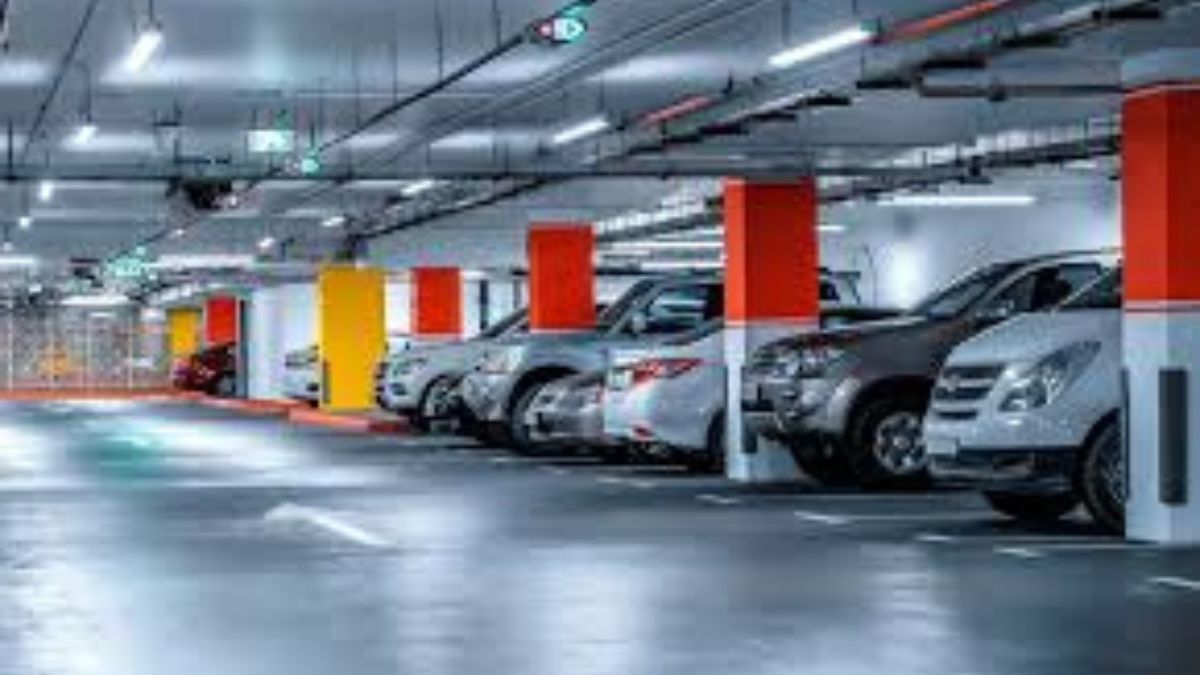
When planning parking garage layouts, focus on more than fitting the maximum number of vehicles. Layouts include elements of functionality, efficiency, navigation, and safety. Design features influence the overall experience for drivers using the space. Here is some more information on how to maximize space in your parking garage:
Plan Your Layout
A well‑planned parking layout allows more vehicles to occupy a given area efficiently. Angled parking uses less width than straight parking, enabling additional lanes within the same space. This arrangement supports easier entry and exit maneuvers, even during high‑traffic periods, improving overall circulation.
Movement within angled or diagonal parking improves circulation and can reduce congestion. Some modern garages incorporate stackable platforms or compact‑vehicle zones, strategies used in dense urban environments to optimize limited space. Alternative layouts, such as herringbone or diagonal patterns, help accommodate irregular lot shapes and avoid underused sections.
Expanding parking capacity vertically rather than laterally offers another effective option. Multi‑level garages with automated access and layered parking systems are common in urban areas where land is constrained. This vertical approach increases capacity without expanding the lot’s footprint.
Optimize Traffic Flow
Clear entry and exit points support smooth traffic flow in a parking garage. One-way lanes reduce congestion by preventing vehicles from moving in opposing directions simultaneously. Signage, lane markings, and visible access points help maintain organized vehicle movement throughout the facility.
Narrow lanes and tight spaces increase vehicle density but can limit maneuverability and create bottlenecks. Wider aisles and turn lanes allow drivers to navigate more easily, reducing complex turns. Clear directional flow, combined with marked pedestrian paths and designated drop-off zones, supports safe and predictable movement throughout the space.
Include Clear Signage
Clear markings and signage guide drivers and pedestrians through a parking garage. Signage at key points such as entrances and exits provides orientation, while directional arrows indicate specific sections in busy areas. Marked parking spaces improve visibility in low-light or poor weather conditions, and bright markings delineate pedestrian walkways, loading zones, and waiting areas, including bicycle lanes and service access points. These measures help separate different sections and support safer movement throughout the facility. Well-marked areas also make navigation easier for all users, including first-time visitors.
Install Parking Lifts
Mechanical parking systems help maximize space use by stacking vehicles vertically instead of relying solely on horizontal slots. Parking lifts position cars efficiently into stacked spots after entry, which reduces the need for wide driving lanes or ramps. This setup conserves floor space and makes garages viable even in land‑constrained urban locations. Automated or mechanical lifts often operate with sensors and controlled platforms, simplifying parking and reducing the time drivers spend searching for a spot.
Create Mixed Space
Integrating both regular and compact car spaces can optimize the use of the available parking area. Smaller vehicles fit into compact spots, allowing more efficient allocation of space. Clearly distinguishing between compact and regular spaces supports organization, smooth navigation, and efficient traffic flow throughout the garage. Signage and pavement markings further guide drivers to appropriate spots and reduce confusion.
Additional sections may be designated for overflow parking to handle extra vehicles during peak hours. Some areas can also be reconfigured for ride-sharing drop-off zones, carpool sections, or temporary event parking. These flexible options provide solutions for varying parking demands and support overall operational efficiency within the facility.
Optimize Your Parking Garage Today
A well-planned parking lot maximizes space while maintaining accessibility for all users. Balancing additional parking slots with ease of navigation creates a functional and efficient layout. Thoughtful design improves the overall user experience and supports repeat visits. Contact a professional company today to plan your parking space effectively.