
 By admin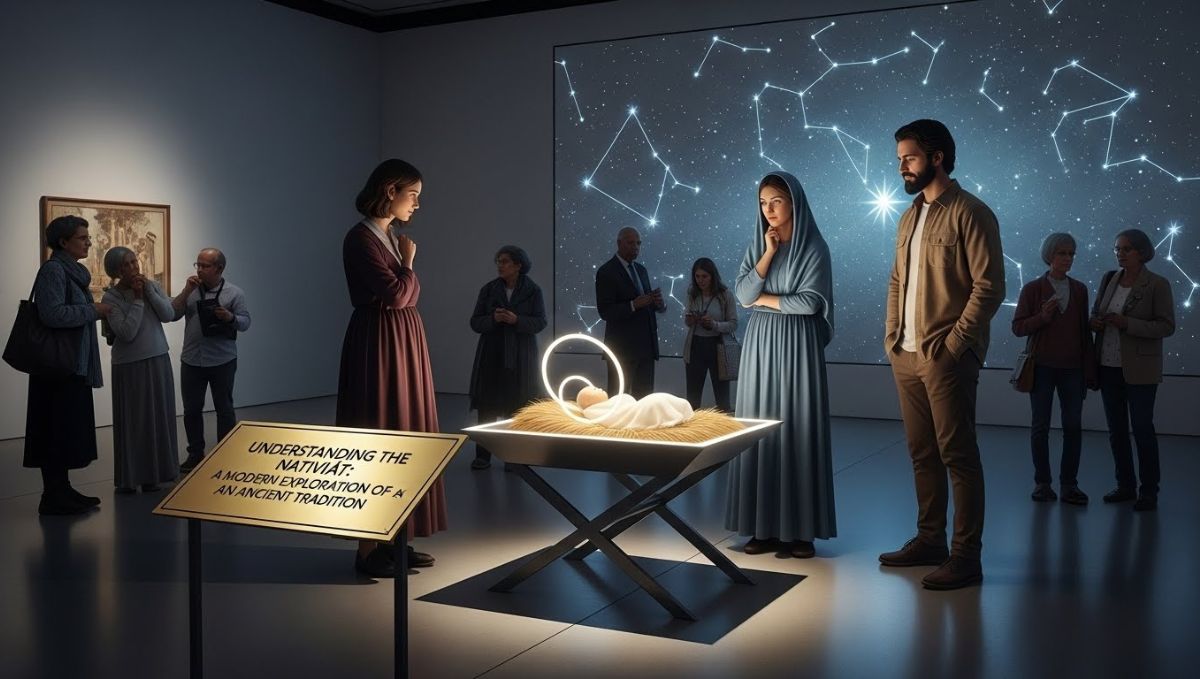
The Nativität, a celebration steeped in tradition and rich with history, captivates hearts across cultures. As we delve into this vibrant tapestry of customs and practices, we uncover stories that have been passed down through generations. From intimate family gatherings to grand public displays, the way people celebrate varies widely around the globe.
What does the Nativität mean in today’s fast-paced world? Is it merely a religious observance or something more profound? Join us on this journey as we explore its origins, unravel traditional customs, and examine modern interpretations that breathe new life into an ancient practice. Whether you’re familiar with this celebration or just curious about its charm, there’s much to discover about the meaning of Nativität in our contemporary society.
The History of the Nativität Celebration
The Nativität celebration has deep roots, tracing back to the early Christian era. It emerged as a way to honor the birth of Jesus Christ, symbolizing hope and renewal.
Initially celebrated in small gatherings, it gradually evolved into larger community events. By the 4th century, various churches began establishing specific dates for observance. December 25th became widely recognized due to its alignment with existing pagan festivals.
As centuries passed, diverse cultures infused their traditions into the Nativität. From feasting and gift-giving to elaborate nativity scenes, each region added unique flavors that reflected local customs.
With the spread of Christianity across Europe and beyond, these practices transformed further. The blending of folk traditions with religious significance created a rich tapestry that continues to evolve today. This ancient celebration remains vital in connecting generations through shared beliefs and festive joy.
Traditional Practices and Customs
The Nativität is steeped in rich traditions and customs that have been passed down through generations. One of the most cherished practices involves setting up elaborate nativity scenes, or crèches. Families often gather to create these displays, carefully arranging figurines that represent the Holy Family along with shepherds and animals.
Caroling also plays a significant role during this time. Groups venture from house to house, sharing joyful songs that celebrate the birth of Christ. These melodies echo through neighborhoods, creating a sense of community and warmth.
Food traditions are equally important. Many families come together for festive meals featuring special dishes unique to their culture or region. Baking traditional cookies shaped like stars or angels becomes an activity filled with laughter and storytelling.
Lighting candles is another beautiful custom observed in many homes. It symbolizes hope and peace as families reflect on the meaning of the Nativität while gathering around flickering lights on cold winter nights.
How the Nativität is Celebrated Around the World
The Nativität takes on many forms across the globe, reflecting diverse cultures and traditions. In Latin America, vibrant processions culminate in festive gatherings filled with music and dance. Families come together to reenact the nativity scene, often using elaborate decorations.
In Spain, the tradition includes the “Los Reyes” celebration on January 6th. This day marks the arrival of the Three Wise Men bearing gifts. It’s a time for joyous feasting featuring roscón de reyes, a sweet bread shaped like a crown.
Italy showcases its unique flair through vivacious Christmas markets and stunning presepi (nativity scenes) that adorn homes and public squares alike. Each region boasts its own artistic style.
Meanwhile, in Ethiopia, aspects of Nativität blend seamlessly with ancient rituals. The Ethiopian Orthodox Church celebrates Christmas with midnight mass followed by community celebrations rich in local customs and traditional foods.
Modern Interpretations and Innovations
The Nativität has evolved significantly in contemporary culture. Artists and creators now infuse modern themes into traditional nativity scenes, showcasing diverse interpretations of the holy family.
Digital technology plays a crucial role as well. Virtual reality experiences allow people to immerse themselves in the story of Jesus’s birth, making the ancient narrative accessible to younger generations.
Social media platforms have become vital for sharing unique celebrations and art inspired by the Nativität. From Instagram stories featuring elaborate displays to TikTok videos that reinterpret classic carols, creativity knows no bounds.
Communities are also embracing inclusivity, reimagining characters from different cultural backgrounds within their nativitätsdarstellungen (nativity representations). This shift reflects a broader understanding of diversity and unity during festive seasons.
These innovations breathe new life into an age-old tradition while maintaining its core message of hope and love.
Controversies Surrounding the Nativität
The Nativität has sparked debates over its historical accuracy and representation. Many question the authenticity of traditional narratives, arguing that they often overlook critical cultural contexts.
Additionally, some see commercialization as a growing concern. The shift from spiritual celebration to consumerism raises eyebrows among purists who feel the essence of the tradition is being diluted.
Inclusivity also plays a role in current discussions. As societies become more diverse, interpretations of Nativität may clash with differing beliefs and practices. This can create friction between those who want to preserve original customs and those advocating for broader representation.
Social media amplifies these controversies, bringing various perspectives to light. Discussions about how we celebrate or interpret Nativität are now more visible than ever, prompting individuals to reconsider what it means in today’s world.
Celebrating the Nativität in Today’s Society
Celebrating the Nativität today often blends tradition with modern values. Families gather to recreate scenes from the Nativity, sharing stories that have transcended generations. These gatherings foster a sense of togetherness and connection.
In urban settings, community events highlight local traditions. Markets spring up featuring crafts, food, and music that echo the spirit of this ancient celebration. People find joy in participating in these festivities as they create new memories.
Social media plays a role too. Sharing images of decorations and family gatherings allows people to connect beyond their immediate circles. Hashtags related to Nativität inspire creativity and engagement worldwide.
Charitable acts are also becoming integral to modern celebrations. Many choose to give back during this season, embodying the essence of compassion symbolized by the original story. Today’s society embraces diversity while honoring age-old customs associated with the Nativität.
Conclusion
The Nativität celebration is a fascinating blend of tradition and modernity. Its rich history resonates through various customs and practices that have evolved over time. While many still embrace the age-old rituals, others are finding innovative ways to reinterpret this cherished event.
As it unfolds in diverse cultures around the globe, we see both harmony and contention surrounding its observance. Whether it’s through traditional nativity scenes or contemporary performances, the spirit of Nativität remains vibrant.
In today’s society, as people gather with loved ones to celebrate this profound moment, there’s an opportunity for reflection on its significance. The Nativität continues to inspire connections among families and communities—bridging generations while adapting to changing times.
This ancient tradition carries forward into our lives in unique ways. Regardless of how one chooses to celebrate, the essence of peace, love, and unity at the heart of the Nativität endures—a timeless reminder of what truly matters during festive seasons.