
 By admin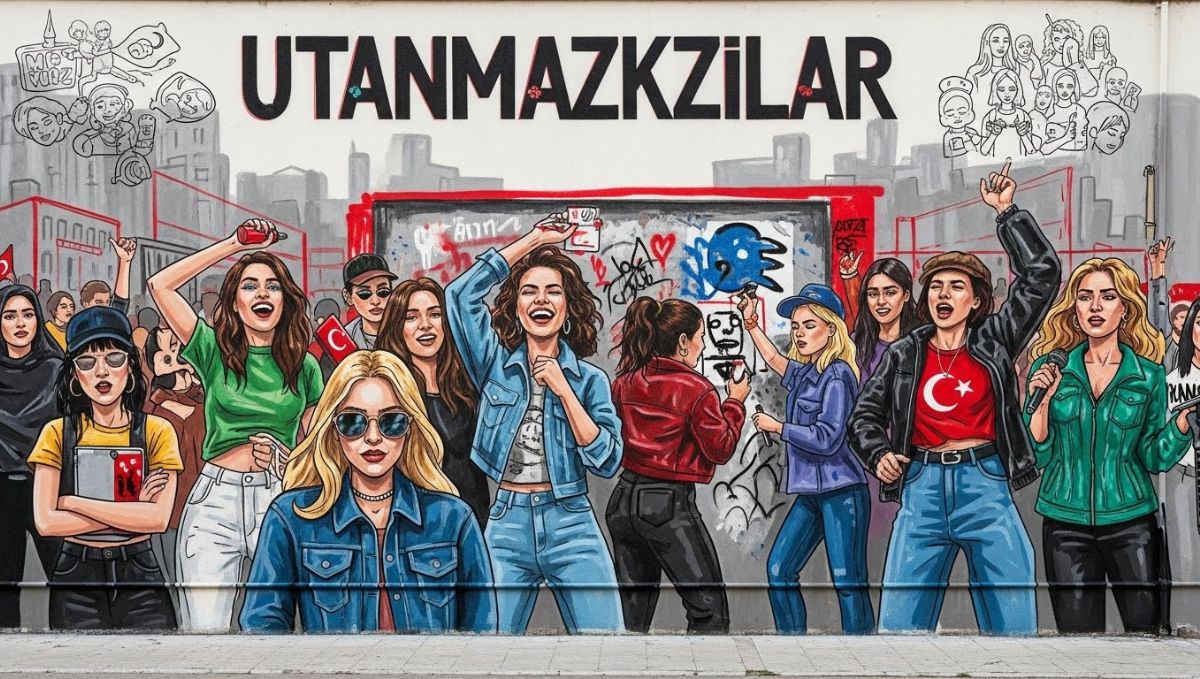
Have you ever heard of Utanmazkzılar? If not, you’re in for a treat. This captivating cultural phenomenon is more than just a tradition; it’s a vibrant expression of identity and community that has woven itself into the fabric of Turkish society. From its intriguing origins to its modern-day celebrations, Utanmazkzılar offers a unique glimpse into the rich tapestry of Turkish culture. Whether you’re curious about its history or eager to understand why it’s still relevant today, this journey will enlighten and inspire you. Get ready to dive deep into the world of Utanmazkzılar—you won’t want to miss it!
The History and Origin of Utanmazkzılar
Utanmazkzılar emerged during the late Ottoman period, a time rich in cultural transformation. This phenomenon initially began as a reflection of social dynamics within urban centers, where traditional norms were challenged.
The term itself derives from the Turkish word “utanmaz,” meaning shameless or bold. It embodies a spirit of defiance against societal expectations. The concept resonated with those who sought freedom of expression amidst oppressive structures.
As modernization swept through Turkey, Utanmazkzılar became synonymous with artistic movements and progressive thinkers. Writers, musicians, and artists adopted this ethos to question authority and push boundaries in their work.
Communities started celebrating Utanmazkzılar as a way to embrace individuality. This collective spirit fortified connections among like-minded individuals pushing for change in society’s fabric. Over time, it evolved into an essential part of contemporary Turkish identity that continues to inspire generations today.
The Meaning and Significance of Utanmazkzılar in Turkish Culture
Utanmazkzılar holds a profound place in Turkish culture. It reflects the spirit of resilience and defiance against societal norms. This cultural phenomenon encapsulates the essence of embracing one’s identity without shame or fear.
At its core, Utanmazkzılar challenges traditional boundaries. It encourages individuals to express themselves freely, often through art, fashion, and performance. This movement resonates deeply with younger generations seeking authenticity in an ever-changing world.
The significance extends beyond mere expression; it fosters community and solidarity among those who partake in these celebrations. Each gathering becomes a vibrant tapestry woven from diverse voices, uniting people under a shared banner of acceptance.
Moreover, Utanmazkzılar serves as a mirror reflecting societal issues such as gender equality and human rights. The dialogues emerging from these expressions push for progress while honoring cultural roots that shape contemporary thought in Turkey today.
How Utanmazkzılar is Celebrated and Observed in Modern Times
Utanmazkzılar celebrations today are vibrant and full of life. They take place in various cities across Turkey, drawing crowds eager to participate. Colorful parades showcase traditional costumes and lively music, creating an atmosphere of joy.
Communities come together for feasts featuring local delicacies. Sharing food plays a significant role in fostering connection among participants. This communal aspect emphasizes unity amidst diversity.
Social media also amplifies the celebration’s reach. Influencers and everyday people share their experiences, making Utanmazkzılar more accessible to a global audience. Hashtags trend as families and friends post photos highlighting the festivities.
Workshops often accompany these events, teaching attendees about cultural practices linked to Utanmazkzılar. From artistic expressions like dance to storytelling sessions that preserve oral traditions, there’s something for everyone to enjoy and learn from during this unique celebration.
Controversies and Criticisms Surrounding Utanmazkzılar
Utanmazkzılar, while celebrated by many, is not without its share of controversies. Critics argue that the event promotes behavior that some view as socially unacceptable. They believe it challenges traditional values and norms within Turkish society.
Furthermore, there are concerns about commercialization. As Utanmazkzılar gains popularity, some feel that the essence of the cultural phenomenon is being diluted for profit. This shift may lead to a loss of authenticity in how it’s observed.
Debates also arise regarding inclusivity. Some individuals question whether everyone feels welcome to participate or if certain groups are marginalized during celebrations.
The varying interpretations of what Utanmazkzılar embodies can spark heated discussions among both advocates and detractors alike. This dynamic tension reflects the broader societal changes occurring within Turkey today.
Why You Need to Experience Utanmazk
Experiencing Utanmazkzılar is more than just witnessing a cultural event; it’s an immersion into the heart of Turkish identity. The vibrant colors, the lively music, and the passionate expressions all come together to create an atmosphere like no other. As a visitor or participant, you’ll find yourself swept away by the sheer energy that fills the air.
Whether you’re in a bustling city square or a quiet village, each celebration offers its unique flavor—one that showcases local traditions and community spirit. Engaging with locals adds layers to your understanding of what Utanmazkzılar truly means. Their stories and enthusiasm will captivate you.
Moreover, being part of this phenomenon allows for meaningful connections across cultures. It’s not just about observing; it’s about participating in something profound that transcends boundaries. You’ll leave with memories etched in your mind and perhaps new friends from different walks of life.
If you seek authenticity and richness in cultural experiences, then Utanmazkzılar should top your list. It’s an invitation to delve deep into Turkey’s soul—a journey worth embarking on for anyone looking to understand this colorful tapestry better.