
 By StingFellows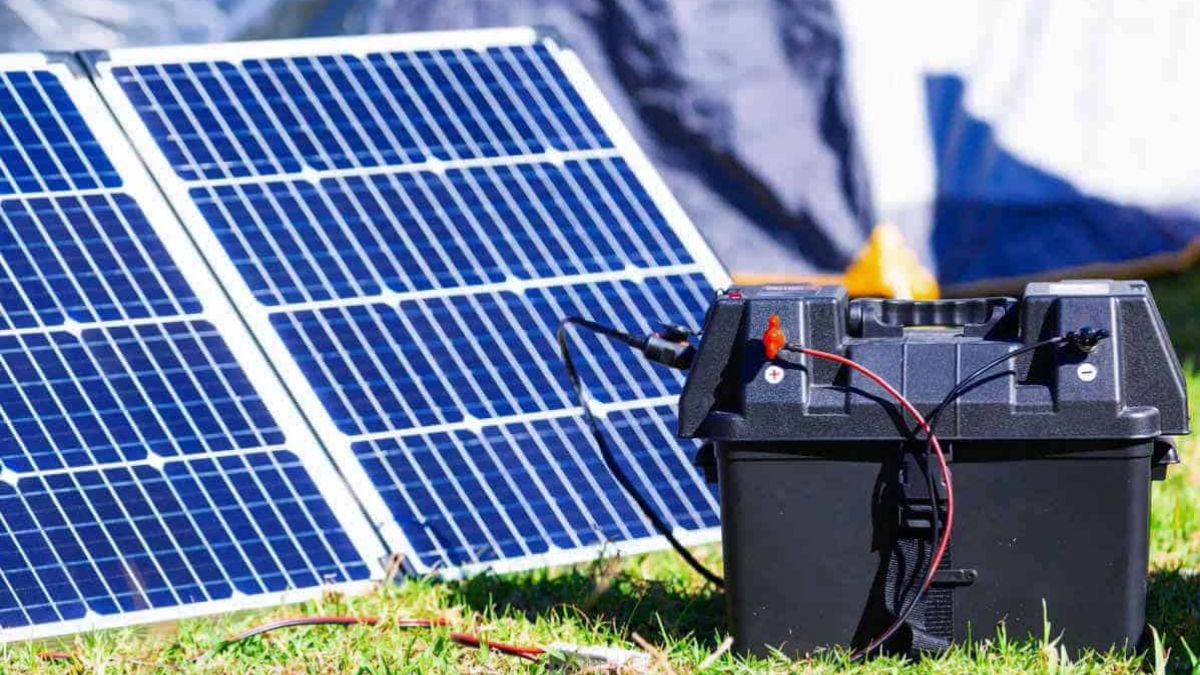
Finding the right solar battery for your home involves comparing various factors to ensure maximum savings and reliability during power outages. Solar batteries store excess energy generated during the day, which you can use at night or when the grid is down, contributing to energy independence. Choosing the ideal battery requires careful consideration of your energy needs and the capabilities of different models. The Anker SOLIX E10 is a top option, offering scalable storage, high power output, and seamless home integration. With the right solar battery, you reduce dependence on the grid, lower electricity bills, and maintain continuous power when you need it most.

How to Size a Solar Battery Correctly
Start with daily kWh and nighttime usage
Determining the size of your solar battery begins by calculating your daily energy consumption in kilowatt-hours (kWh). Look at past bills or install an energy monitor to get precise readings. Identify patterns, such as increased nighttime usage or peak hours, to understand your baseline needs. If your household uses 30kWh per day, you’ll require a battery that can accommodate this while offering reserve energy for emergencies or extended outages. By starting with these metrics, you ensure that your chosen battery can sustainably support your home.
Decide outage runtime and critical loads
Establishing how long you want the battery to sustain critical loads during an outage is crucial. Consider essential appliances and systems like refrigerators, lighting, and heating, which might require uninterrupted power. Outline the necessary runtime—whether it’s just a few hours or several days—by identifying and prioritizing these loads. A detailed list helps you choose a battery with the appropriate storage capacity and output power, ensuring that critical functions remain active during grid failures.
Match battery size to solar production
Align your battery size with your solar panel’s production capacity. Calculate the total daily energy output by assessing panel efficiency, daylight hours, and seasonal variations. The goal is to store all excess electricity produced while maintaining a balance that prevents unnecessary waste. If your panels produce 40kWh daily, a battery capable of storing this output guarantees optimal use of solar energy. By matching battery size to your system’s production, you maximize efficiency and ensure consistent energy availability.
Battery Types for Homes
When selecting a solar battery, consider the different chemistries available, such as lithium-ion, lead-acid, and flow batteries. Lithium-ion batteries, recognized for their high performance and long lifespan, are often ideal for residential use due to their efficiency and compact storage. Lead-acid batteries provide a cost-effective alternative, though they generally offer less capacity and shorter cycles. Flow batteries, while less common in home settings, present advantages for larger installations thanks to their scalability and durability. Understanding these types helps you choose a battery that aligns with your energy needs and budget.
Specs That Matter Most Before You Buy
Usable capacity (kWh) and depth of discharge
Usable capacity refers to the amount of energy a battery can store and supply to your home. It’s crucial to ensure this capacity matches your daily consumption. The depth of discharge indicates how much energy you can extract from the battery without affecting its lifespan—typically 80% for lithium-ion batteries. This metric helps you maximize the utility while maintaining battery health, allowing sustained energy output when required.
Power output (kW) and surge/LRA for big motors
Power output determines how much energy the battery can deliver at any moment, generally expressed in kilowatts (kW). Ensure this figure meets the demands of appliances that require high startup power such as refrigerators or air conditioners, which may need a surge capacity for large motors. The Anker SOLIX E10, for example, provides up to 275 LRA surge capacity, allowing smooth operation of heavy-duty devices and ensuring unfaltering power during peak usage.
Warranty, cycles, and safety certifications
Before purchasing, examine the warranty offered, as a longer warranty usually signals a more reliable product. Battery cycles, indicating lifespan, should provide sustained performance over time. Safety certifications are crucial, confirming adherence to industry standards and regulatory requirements on tandem with environmental considerations. These factors collectively assure you of quality, dependability, and safety, allowing confidence in your investment and long-term energy plans.
Top Solar Batteries to Consider – Anker SOLIX E10
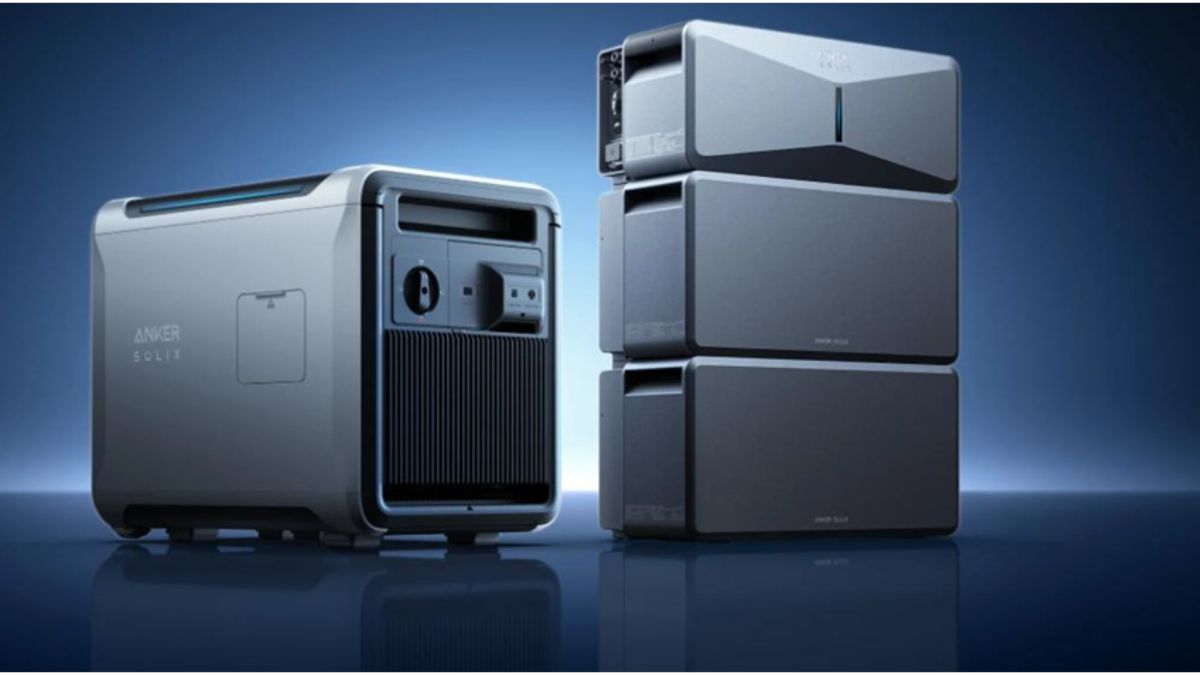
The Anker SOLIX E10 is a leading solar battery designed for maximum energy independence. Offering a scalable solution up to 90kWh, it is tailored to meet diverse household energy needs. With professional installation services, users enjoy a smooth setup process ensured by certified experts across the country. Its 30kW Turbo Mode output, combined with smart generator support, allows unlimited runtime, making it a dependable option during outages. Trusted by over 150 million users worldwide, Anker SOLIX E10 represents reliability and innovation, promising secure and sustainable energy solutions for homes looking to transition to solar energy independence.
Cost, Installation, and Getting the Best Value
Investing in a solar battery involves upfront costs, including the battery and installation. Though initially steep, the savings accrued from lower electricity bills make it worthwhile. Proper installation by certified professionals ensures optimal performance and integration with your existing solar panels. By exploring government incentives and financing options, you can mitigate costs while maximizing value. Thorough research and consultation with experts will guide you to a cost-effective, reliable solar battery that aligns perfectly with your home’s energy demands and budget.
Conclusion
Choosing the ideal solar battery for home use involves a meticulous balance of capacity, types, and specifications paired with installation and cost considerations. By understanding your energy needs, evaluating product types, and comparing specifications such as power output and warranty, you ensure an informed purchase. The Anker SOLIX E10 emerges as a prime choice, offering advanced capacity and reliable performance, backed by widespread consumer trust and professional installation support. As you empower your home with solar technology, enjoy reduced dependence on the grid, lower energy bills, and continuous power, even during outages, ensuring the ultimate in home energy independence.