
 By admin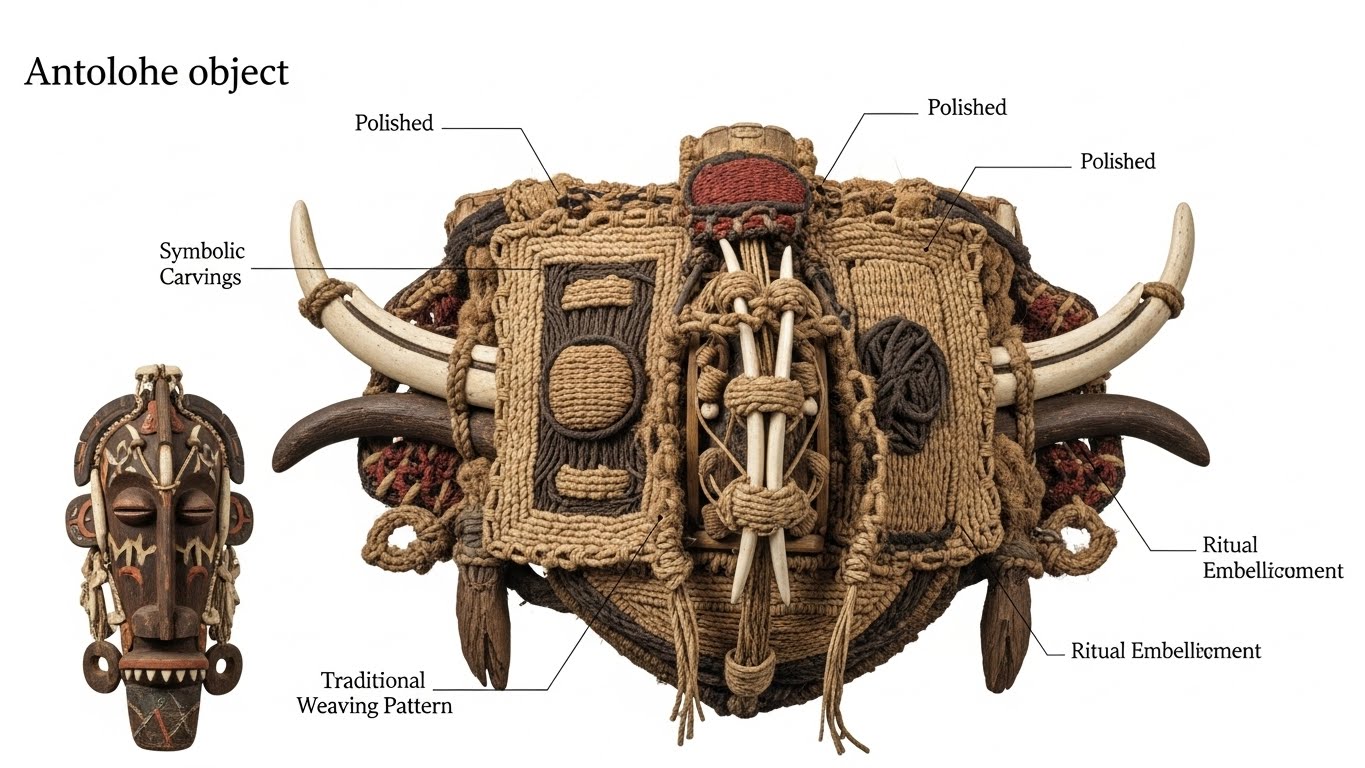
Antolohe is more than just a word; it embodies a rich tapestry of culture and tradition. This unique concept has deep roots in Native American heritage, representing not only artistic expression but also spiritual significance. As we delve into the world of Antolohe, we’ll uncover its fascinating history, intricate crafting techniques, and its vital role in ceremonies that celebrate community and connection. Whether you’re discovering it for the first time or seeking to deepen your understanding, exploring Antolohe opens a door to the past while illuminating its relevance in today’s society. Let’s embark on this journey together!
The History of Antolohe
Antolohe has roots that stretch back centuries within Native American communities. This rich tradition is deeply intertwined with their cultural practices and spiritual beliefs.
Historically, Antolohe was not merely a craft but a means of storytelling. Each piece crafted held significance, often representing ancestral tales or important events in tribal history. It served as a bridge connecting generations through shared narratives.
As time passed, the techniques and styles evolved, influenced by changing materials and intertribal interactions. Yet, the essence remained unchanged—an expression of identity and heritage.
The creation of Antolohe reflects a deep respect for nature and resources. Artisans would gather materials from their surroundings, showcasing their connection to the land while honoring traditions passed down through ages.
The Significance of Antolohe in Native American Culture
Antolohe holds a deep significance within Native American culture, embodying both spiritual and practical elements. This intricate concept is often viewed as a bridge between the physical world and the spiritual realm.
Traditionally, Anto-lohe symbolizes connection—among community members, ancestors, and nature. It fosters unity through shared experiences and collective memory.
Ceremonies involving Antolohe are not merely events; they represent rituals that honor heritage and convey wisdom across generations. These gatherings allow participants to engage in storytelling, dance, and music—each adding layers of meaning to this profound tradition.
The art of creating Anto-lohe items reflects individual creativity while adhering to communal practices. Each piece tells a story tied to family lineage or tribal identity.
Understanding its significance reveals how vital it is for preserving cultural legacies amid modern challenges. The essence of Antolohe continues to inspire respect for traditions deeply rooted in Native American history.
The Art of Making Antolohe
The art of making Antolohe is a delicate and intricate process rooted in tradition. Artisans begin by selecting the right materials, often using natural fibers sourced from their environment. These fibers are then meticulously prepared to ensure they possess the desired texture and durability.
Once ready, the weaving begins. Each stitch tells a story, reflecting cultural significance passed down through generations. The colors chosen for Antolohe pieces hold meaning as well, symbolizing elements of nature or familial ties.
Crafting Antolohe isn’t merely about function; it’s an expression of identity. Skilled hands work tirelessly to create patterns that resonate with personal and communal histories.
As artisans weave their creations, they often reflect on ancestral teachings and the spiritual connections embedded within each piece. This craftsmanship highlights not just skill but also a deep respect for heritage and culture that continues to thrive today.
Traditional Uses and Ceremonies Involving Antolohe
Antolohe plays a pivotal role in various traditional ceremonies among Native American tribes. It is often used during rites of passage, such as coming-of-age ceremonies. The presence of Antolohe symbolizes the transition from childhood to adulthood.
During these events, participants engage in storytelling and rituals that honor their ancestors. The scent and beauty of Antolohe enhance the spiritual atmosphere. This connection fosters a sense of community and shared heritage.
Additionally, Antolohe may be incorporated into healing ceremonies. Its unique properties are believed to promote physical and emotional well-being. Healers use it as an offering or part of medicinal preparations.
Weddings also feature this cherished item, representing love’s enduring nature. Couples exchange pieces of Antolohe as tokens of commitment, binding them together with cultural significance.
Through these diverse uses, Antolohe remains deeply woven into the fabric of ceremonial life within Native communities.
Modern Adaptations and Uses of Antolohe
In today’s world, Antolohe has found new life beyond its traditional roots. Modern artisans are reinterpreting this unique concept through contemporary art forms. They incorporate vibrant colors and innovative designs that resonate with younger generations.
Craft fairs and cultural festivals often showcase these fresh interpretations. Here, visitors can witness the blending of ancient techniques with modern aesthetics. This fusion captures the essence of Antolohe while appealing to a diverse audience.
Social media plays a significant role in promoting Anto-lohe today. Artists share their creations online, sparking interest among those unfamiliar with this rich tradition. Workshops teach enthusiasts how to honor ancestral methods while adding personal flair.
The revival of storytelling around Anto-lohe also attracts attention. Through podcasts and documentaries, people learn about its significance and history, ensuring that it remains relevant in contemporary culture.
Conclusion: The Importance of Preserving and Honoring Traditions like Antolohe
Preserving traditions like Anto-lohe is vital for maintaining cultural identity and heritage. These practices connect generations, creating a bridge between the past and the present. By honoring such customs, communities can foster a sense of belonging and pride.
The art of Antolohe represents not just a craft but also an expression of values deeply rooted in Native American culture. Each piece carries stories, history, and meaning that deserve recognition and respect.
As modern society evolves, there’s an urgent need to protect these unique traditions from fading into obscurity. Embracing them enriches our collective understanding of diverse cultures while ensuring that future generations have the opportunity to learn from their ancestors.
Engaging with Antolohe allows us all to celebrate creativity infused with purpose. It encourages dialogue about heritage, sustainability, and community connection—elements essential for nurturing appreciation across various backgrounds.
Honoring traditions like Anto-lohe transcends mere preservation; it creates pathways for mutual respect among different cultures. By valuing these practices today, we can contribute to a richer tapestry of human experience tomorrow.