
 By admin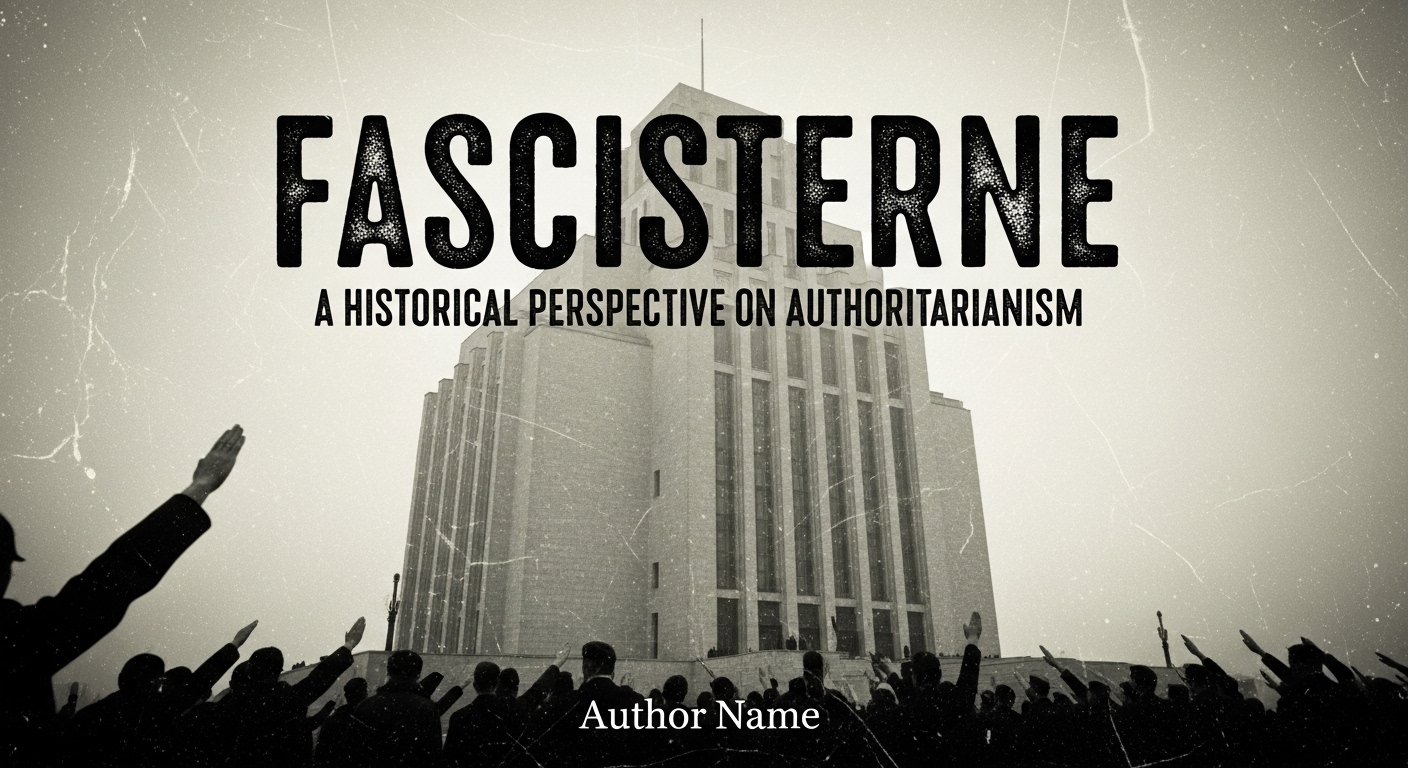
Fascism, a term that carries heavy historical weight, evokes images of authoritarian regimes and oppressive rule. Yet understanding its roots is crucial for grasping the complexities of political dynamics throughout history. From the rise of Mussolini in Italy to Hitler’s reign in Germany, fascism has left an indelible mark on societies worldwide. This blog post delves into the essence of fascism and authoritarianism while exploring their impacts on politics and society at large. Let’s journey through this tumultuous era to uncover lessons that remain relevant today as we navigate modern governance challenges. The echoes of “Fascisterne” remind us that history often repeats itself if we fail to learn from it.
Defining Fascism and Authoritarianism
Fascism is a far-right political ideology characterized by dictatorial power, centralized control, and often a strong nationalist sentiment. It seeks to create a homogeneous society that prioritizes the state above individual rights. This philosophy promotes militarism and an aggressive stance against perceived enemies.
On the other hand, authoritarianism embodies broader governance styles where leaders maintain significant power over citizens with limited personal freedoms. While it can manifest in various forms—left or right—authoritarian regimes typically suppress dissent through censorship and violence.
Both ideologies thrive on fear and division. They manipulate public opinion, fostering an environment where loyalty to the regime outweighs democratic principles. Understanding these definitions illuminates how they intersect yet remain distinct in their execution of control over societies throughout history.
The Rise of Fascism in Europe
The rise of fascism in Europe emerged from the ashes of World War I. Economic turmoil and social unrest set the stage for radical ideologies to take root. Disillusioned by previous governments, many sought strong leadership.
In Italy, Benito Mussolini capitalized on this sentiment. His Blackshirts marched through streets, promising national rejuvenation and order. The allure of a powerful state resonated with those yearning for stability.
Meanwhile, in Germany, Adolf Hitler’s ascent was fueled by similar grievances. The Treaty of Versailles left a bitter taste among citizens grappling with humiliation and hardship. Nazism offered a vision that combined nationalism with an extreme ideology.
Across the continent, various factions began adopting fascist principles. Spain’s Francisco Franco found inspiration nearby as political chaos unfolded throughout Europe. This wave transformed countries into authoritarian regimes where dissent was silenced ruthlessly.
Key Figures and Events in Fascist History
Key figures played pivotal roles in the rise of fascism. Benito Mussolini, Italy’s dictator, was one of the first to establish a fascist regime. His aggressive nationalism and militaristic policies set a precedent for others.
Adolf Hitler is perhaps the most infamous leader associated with fascism. His ascent in Germany led to catastrophic consequences for millions during World War II. The Nazi Party propagated intense propaganda and anti-Semitic ideologies that fueled their reign of terror.
Events like the March on Rome in 1922 signified Mussolini’s takeover, while the Beer Hall Putsch illustrated Hitler’s early ambitions for power. These moments were crucial turning points that shaped European politics.
Other notable figures included Francisco Franco in Spain and António de Oliveira Salazar in Portugal, both establishing authoritarian regimes influenced by similar principles. Each contributed uniquely to spreading fascist ideology across Europe during this tumultuous era.
Impact of Fascism on Society and Politics
Fascism has left an indelible mark on society and politics, reshaping entire nations. It often promotes extreme nationalism, leading to divisive ideologies that pit one group against another. The emphasis on a singular national identity can marginalize minorities and dissenting voices.
Economically, fascist regimes typically adopt state control over industries while suppressing labor movements. This creates an environment where individual rights are sacrificed for the perceived greater good of the nation. Propaganda becomes a tool for manipulation, shaping public perception to maintain power.
Culturally, fascism seeks uniformity through censorship and the promotion of a specific set of values. Education systems are altered to align with government ideology, stifling critical thinking among future generations.
The political landscape changes drastically under fascism; democratic institutions weaken or disappear altogether. Citizens find themselves stripped of basic freedoms in exchange for security promised by authoritarian leadership.
Comparison to Modern Authoritarian Regimes
Modern authoritarian regimes share striking similarities with historical fascism. Across the globe, leaders often employ nationalist rhetoric to consolidate power. They manipulate public sentiment by creating an “us versus them” narrative.
Media control is another common thread. Just as fascist states suppressed dissenting voices, contemporary authoritarian governments censor news and curb free expression. This tactic creates a distorted reality for citizens.
The use of surveillance technology has also escalated dramatically. Where fascists relied on secret police, today’s regimes harness digital tools to monitor individuals and stifle opposition.
Moreover, populism remains a potent weapon in both eras. Charismatic leaders rally support by promising stability while undermining democratic institutions.
These parallels illuminate the persistent nature of authoritarian tendencies throughout history. Recognizing these patterns can help society remain vigilant against any resurgence of oppressive governance today.
Lessons Learned from Fascist Regimes
Fascist regimes offer important lessons that remain relevant today. Their rise often stems from societal discontent and economic turmoil. Recognizing early signs of authoritarianism can help prevent history from repeating itself.
Education plays a crucial role in combating extremist ideologies. Promoting critical thinking nurtures informed citizens who challenge oppressive narratives. This vigilance is necessary to foster democratic values.
Censorship emerges as a common tactic in fascist governments, stifling dissenting voices. Protecting free speech safeguards against the erosion of individual rights.
Moreover, understanding the manipulation of fear and division can empower communities to unite against tyranny. Solidarity among diverse groups creates resilience against attempts at polarization.
Engaging young people in discussions about history fosters awareness and responsibility for the future. Knowledge empowers them to advocate for justice and equality actively.
Conclusion: The Importance of Remembering History
The legacy of fascism is a stark reminder of the fragility of democracy. Understanding this past helps illuminate the dangers posed by authoritarian ideologies. The rise and fall of fascist regimes reveal patterns that can repeat if society becomes complacent.
Remembering history serves as a protective measure against tyranny. It encourages vigilance and critical thinking among citizens. By learning about those who suffered under fascist rule, we foster empathy and resilience in our communities.
Reflecting on these lessons provides clarity for present challenges. As modern authoritarian tendencies emerge worldwide, it’s crucial to recognize their roots in historical contexts like fascism. Awareness equips us to stand firm against oppression in all its forms.
History is not just a collection of dates; it informs our values today. Embracing this knowledge empowers individuals to advocate for justice, equality, and freedom—principles at the heart of democratic societies. Keeping the memories alive ensures that we do not repeat past mistakes but strive toward a brighter future grounded in understanding and cooperation.