
 By admin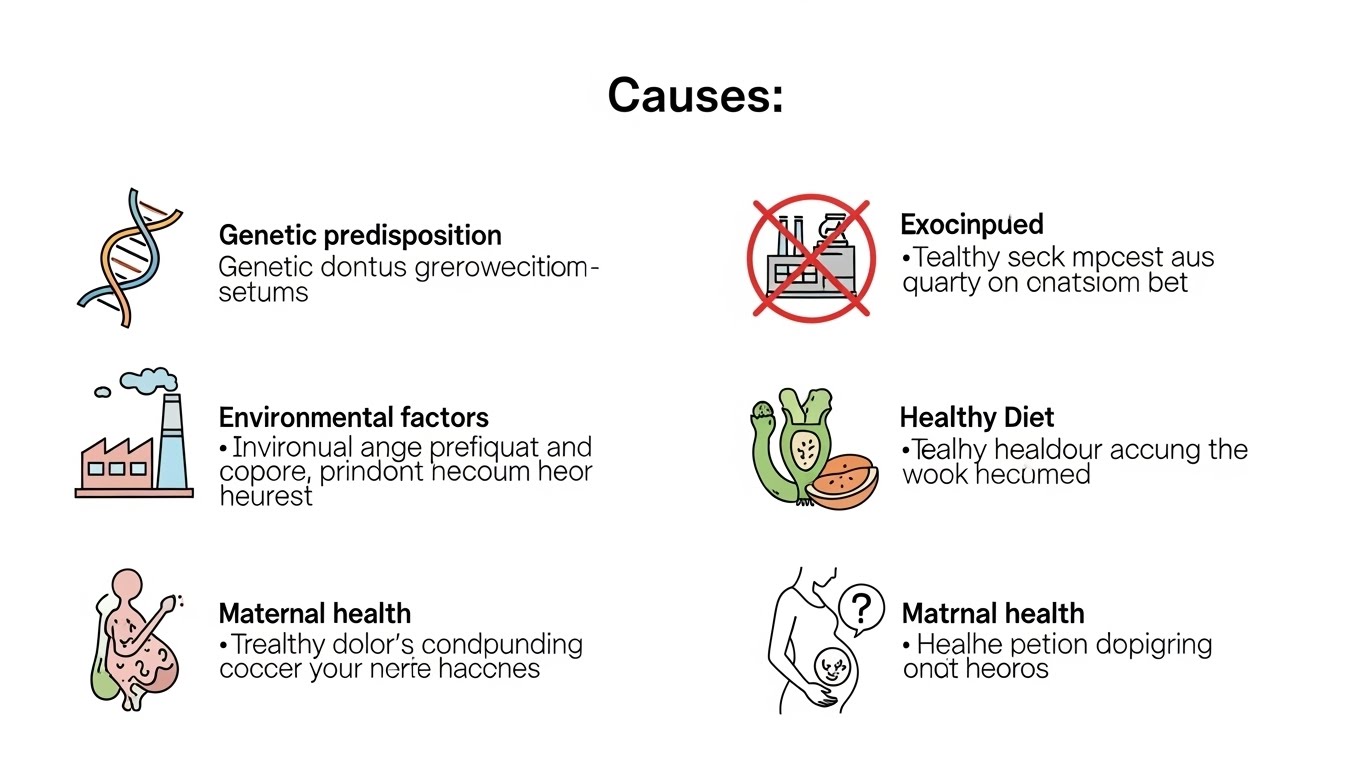
Gastroschisis is a complex condition that affects newborns, and it’s one that can prompt many questions for expectant parents. Imagine preparing to welcome your little one into the world, only to find out they face unique challenges right from the start. This birth defect occurs when an infant’s intestines develop outside of their body, creating both physical and emotional hurdles for families.
Understanding gastroschisis can empower you with knowledge about its causes, symptoms, and treatment options. Whether you’re a parent-to-be or simply curious about this medical condition, being informed helps in navigating what could be an overwhelming journey. Let’s delve deeper into the intricacies of gastroschisis together.
Causes of Gastroschisis
The exact causes of gastroschisis remain largely unknown. However, researchers have identified several factors that may contribute to its development.
One significant aspect is maternal age. Younger mothers, particularly those below 20 years old, show a higher incidence of this condition during pregnancy.
Certain lifestyle choices can also play a role. For instance, smoking and substance abuse are linked to an increased risk of congenital disabilities like gastroschisis.
Genetic factors might be involved as well. While most cases appear sporadic, some studies indicate that variations in certain genes could predispose infants to develop this condition.
Environmental influences cannot be overlooked. Exposure to pollutants or chemicals during pregnancy might disrupt fetal development and lead to issues such as abdominal wall defects like gastroschisis.
Understanding these potential causes helps in raising awareness but further research is essential for clearer insights into this complex issue.
Symptoms and Diagnosis
Symptoms of gastroschisis can often be identified before birth. Expecting parents may learn about the condition during a routine ultrasound. The imaging can reveal the baby’s intestines protruding outside of the abdominal wall.
After birth, symptoms become more apparent. Newborns may exhibit a visible bulge on their abdomen where organs are exposed. This defect requires immediate medical attention.
Diagnosis is usually straightforward but involves careful evaluation by healthcare professionals. Pediatric surgeons and specialists will assess the extent of the condition through physical examinations and imaging studies if necessary.
Early detection plays a crucial role in determining treatment plans and overall outcomes for affected infants. Parents are encouraged to ask questions and discuss any concerns with their medical team to ensure they understand what to expect moving forward.
Treatment Options
Treatment for gastroschisis typically begins immediately after birth. The primary goal is to protect the exposed organs and ensure the baby’s well-being.
Surgeons often cover the intestines with a sterile bag or silo. This helps prevent infection while gradually allowing the organs to return to their proper place inside the abdomen.
Surgery usually occurs within a few days, depending on how much of the intestine is involved and other health factors. The procedure involves closing up any openings in the abdominal wall, ensuring everything is secure.
Post-surgery care focuses on nutrition and monitoring recovery. Some infants may require intravenous feeding initially before transitioning to oral feedings as they heal.
Each case varies, so healthcare teams tailor treatment plans based on individual needs, providing families with support throughout this journey.
Coping with a Diagnosis: Emotional Support and Resources
Receiving a diagnosis of gastroschisis can be overwhelming. Parents may feel a whirlwind of emotions, from fear to uncertainty and even guilt. It’s essential to acknowledge these feelings and understand that they are valid.
Connecting with support groups can be incredibly beneficial. Many parents share their experiences online, providing insights and comfort during tough times. Hospitals often have resources available, including social workers who specialize in guiding families through this journey.
Don’t hesitate to lean on friends or family for emotional support as well. Having someone to talk to can lighten the burden significantly.
Consider speaking with a therapist who understands medical issues related to children. They can offer coping strategies tailored specifically for your situation.
Gathering information about gastroschisis helps demystify it, empowering you as you navigate the path ahead. Knowledge brings confidence during challenging moments.
Preventing Gastroschisis in Pregnancy
Preventing gastroschisis during pregnancy involves understanding risk factors and adopting healthy habits. Pregnant individuals should focus on maintaining a balanced diet rich in essential nutrients. Folic acid, for example, plays a crucial role in fetal development.
Regular prenatal check-ups are vital. These visits allow healthcare providers to monitor both maternal health and the baby’s progress. Early detection of potential issues can lead to timely interventions.
Avoiding harmful substances is equally important. Smoking, alcohol, and certain medications have been associated with increased risks for congenital conditions like gastroschisis.
Staying informed about genetic predispositions also helps. If there’s a family history of abdominal wall defects, discussing this with a healthcare provider could provide tailored guidance.
Managing stress through mindfulness or support groups enhances overall well-being during pregnancy. A calm mind contributes positively to fetal development and may reduce complications associated with conditions like gastroschisis.
Conclusion: Hope for the Future
Gastroschisis is a complex condition, but advancements in medical science offer hope for affected families. Ongoing research continues to improve diagnosis and treatment options. Many children with gastroschisis go on to lead healthy lives after surgery.
Support networks play a crucial role in the journey of those impacted by this condition. Families can find strength in connecting with others who have similar experiences. Resources are available to help navigate both emotional and practical challenges.
As awareness grows, so too does the understanding of gastroschisis among healthcare providers. This translates into better care and outcomes for babies born with this condition.
Hope shines brightly as we look ahead at the future possibilities in managing gastroschisis effectively, ensuring that every child has the opportunity to thrive.